Coffee Bean History
The history of coffee began in the ancient forests of the Ethiopian plateau, where the wild Coffea arabica plant originated. It was later transformed into a brewed beverage across the Red Sea in Yemen during the 15th century.
The transition from a wild berry to the world’s most popular beverage spans several centuries and cultures.
1. The Discovery:
The Legend of Kaldi
While the exact date is unknown, historical lore traces the discovery of coffee to around 850 CE in the Kaffa region of Ethiopia:
- The Dancing Goats: A local goat herder named Kaldi noticed his flock acting strangely energetic. They were jumping and dancing after eating bright red berries from a specific wild shrub.
- The First Human Trial: Curious, Kaldi ate the berries himself and experienced a massive burst of energy
- The Monastic Rejection: Kaldi brought the berries to a local monk, who declared them the “devil’s work” and threw them into a fire.
- The Divine Aroma: As the beans roasted in the flames, they released an irresistible aroma. The monks quickly raked the roasted beans from the embers, crushed them, and mixed them with hot water to preserve them, creating the very first basic brew.
- The Night Prayers: The monks discovered that this liquid kept them awake and alert during long hours of evening prayer.
2. How the Berry “Became” Coffee
Before coffee became a hot drink, humans consumed it in very different ways:
- Energy Food: Early Ethiopian tribes crushed the raw coffee cherries and mixed them with animal fat to create solid, portable energy bars for long journeys.
- Coffee Tea: People also boiled the leaves and open hulls of the coffee plant to make a weak, tea-like medicinal infusion.
3. The Yemeni Transformation (15th Century)
Coffee crossed the Red Sea from Ethiopia to Yemen through trade and Muslim pilgrim routes by the 1400s. Yemen is where coffee as we know it today was truly born:
- Systematic Farming: Sufi monks in Yemen became the first to intentionally cultivate coffee plants in mountain terraces rather than harvesting them wild.
- The Modern Brew: These monks developed the process of drying, roasting, grinding, and boiling the inner bean. They called this dark beverage qahwa (the Arabic root word for coffee).
- The Global Monopoly: For nearly 200 years, Yemen was the exclusive global supplier of coffee. All coffee was exported through the heavily guarded Yemeni port of Al-Mokha (the origin of the word “Mocha”). To prevent anyone else from growing it, the rulers boiled or parched the beans before export so they could not germinate.
4. Spreading Globally (17th Century Onward)
The Yemeni monopoly eventually shattered as the drink conquered the globe:
- Smuggling the Seeds: In the 17th century, an Indian Sufi saint named Baba Budan smuggled seven fertile coffee seeds out of Mecca by strapping them to his chest, planting them in southern India. Soon after, Dutch spies successfully stole live plants from Yemen and began commercial cultivation in Java, Indonesia.
- The European Coffeehouse Explosion: Traveling merchants brought the bean to Europe. By the late 1600s, “penny universities” (coffeehouses) thrived in London, Paris, and Amsterdam, acting as central hubs for political debates, business, and Enlightenment thinking.
- The Rise of Latin America: European colonial empires introduced coffee plants to their tropical territories. In 1727, Portuguese sailors smuggled seedlings into Brazil. Thanks to its ideal climate, Brazil quickly grew into the world’s leading coffee producer, a title it has held for more than 150 years.
If you would like to explore further, I can share information on:
- The traditional Ethiopian coffee ceremony protocol
- How espresso machines revolutionized the industry in the 20th century
- The structural differences between the two main bean types: Arabica and Robusta
Coffee originated in the highland forests of Ethiopia, where wild Coffea arabica plants grew. According to a famous 9th-century legend, a goat herder named Kaldi discovered the energizing effects of the coffee bean after noticing his goats became hyperactive after eating the red berries.
Coffee Bean History
Early Consumption
Before becoming a brewed beverage, the energizing beans were consumed in several different ways:
- Chewing: East African tribes ground the raw coffee cherries into a paste and mixed it with animal fat to make energy-boosting balls for warriors.
- Teas and Fermentation: Ethiopians eventually boiled the leaves for tea and created a fermented wine-like beverage from the dried beans.
- Cooking: Early cultures combined the raw coffee berries with butter and salt.
The Transition to Brewed Coffee
The transformation into the coffee we drink today occurred in the 15th century in the Arabian Peninsula, specifically in Yemen.
- Sufi monks roasted, ground, and brewed the beans into a dark, hot liquid to stay awake during long, nocturnal prayer sessions.
- This energizing beverage soon became a staple in daily life, leading to the opening of the first public coffeehouses, often called qahveh khaneh.
Global Expansion
- The Middle East: By the 16th century, coffee spread to the rest of the Ottoman Empire, Persia, and Syria, where coffeehouses served as bustling hubs for social interaction, news, and intellectual debate.
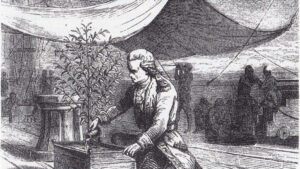
- Europe: Dutch merchants smuggled coffee plants to Europe and Indonesia in the 17th century, while the French brought them to the Caribbean and Latin America in the 18th century.
- The Americas: European powers established massive colonial plantations using exploited labor, which transformed coffee into a major global commodity.
Modern Coffee
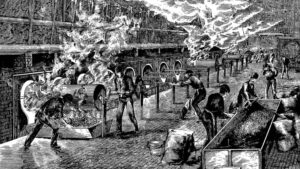
By the 19th and 20th centuries, automatic espresso machines and commercial roasting technologies were developed, transforming coffee from an exotic brew into a global daily ritual. Today, it remains one of the most widely consumed beverages in the world, with production spanning across more than 70 countries.
1. Arabica vs. Robusta Beans
Almost all coffee consumed globally comes from just two botanical species. They have drastically different flavors, growing conditions, and strengths.
2. The Invention of Espresso (20th Century)
For centuries, brewing coffee took up to 10 minutes. In the late 19th and early 20th centuries, Italian inventors used industrial steam technology to drastically speed up the process, giving birth to “espresso” (which means “expressed” or “pressed out fast”).
- The Prototype (1884): Angelo Moriondo patented the first steam-driven coffee brewer in Turin. It brewed large batches quickly but did not make individual cups.
- The Commercial Breakthrough (1901): Luigi Bezzera improved the design. He added portafilters and multiple brew heads, forcing boiling water and steam directly through tightly packed coffee grounds into a single cup.
- The Modern Standard (1948): Early machines relied solely on steam pressure, which made the coffee taste burnt. Achille Gaggia invented a spring-piston lever machine. This mechanism used manual muscle power to force high-pressure water through the grounds without boiling it. This created a richer flavor and produced the characteristic creamy foam on top, known as crema.
3. The Ethiopian Coffee Ceremony
In Ethiopia, where coffee was born, preparing the drink remains a core social and cultural ritual. Known as Buna, the ceremony is a sign of hospitality and respect that can take several hours.
- The Setup: The hostess spreads fresh aromatic grasses and flowers on the floor and burns incense to clear the air.
- The Washing and Roasting: Raw, green coffee beans are washed by hand to remove dirt and hulls. They are then placed in a flat pan over an open charcoal brazier. The hostess shakes the pan until the beans crackle, turn dark oily black, and release a rich smoke. She carries the pan around the room so guests can waft and enjoy the aroma.
- The Grinding: The hot, roasted beans are crushed manually using a heavy mortar and pestle called a mukecha.
- The Boiling: The coffee grounds are transferred into a traditional black clay pot with a spherical base and long neck, called a jebena. Water is added, and the pot is placed directly over the hot coals to boil.
- The Three Rounds: The coffee is filtered through a horsehair sieve and poured smoothly from a height into small, handleless ceramic cups (cini). Guests are served three distinct rounds, which progress from strongest to weakest:
- Awel (The first, strongest round)
- Kale’i (The second round, brewed by adding more water to the remaining grounds)
- Baraka (The third round, meaning “to be blessed,” symbolizing a final blessing for the journey home)
Let's Make Your Next Event Unforgettable
Premium mobile coffee trailer hire for schools, sporting events, corporate functions, weddings, festivals and private celebrations across Pretoria and Gauteng.
Fast responses • Flexible packages • Available 7 days a week
© 2025 MobiMug Mobile Coffee Solutions (Pty) Ltd • 2026/452897/07
All Rights Reserved | Privacy Policy | Terms & Conditions